
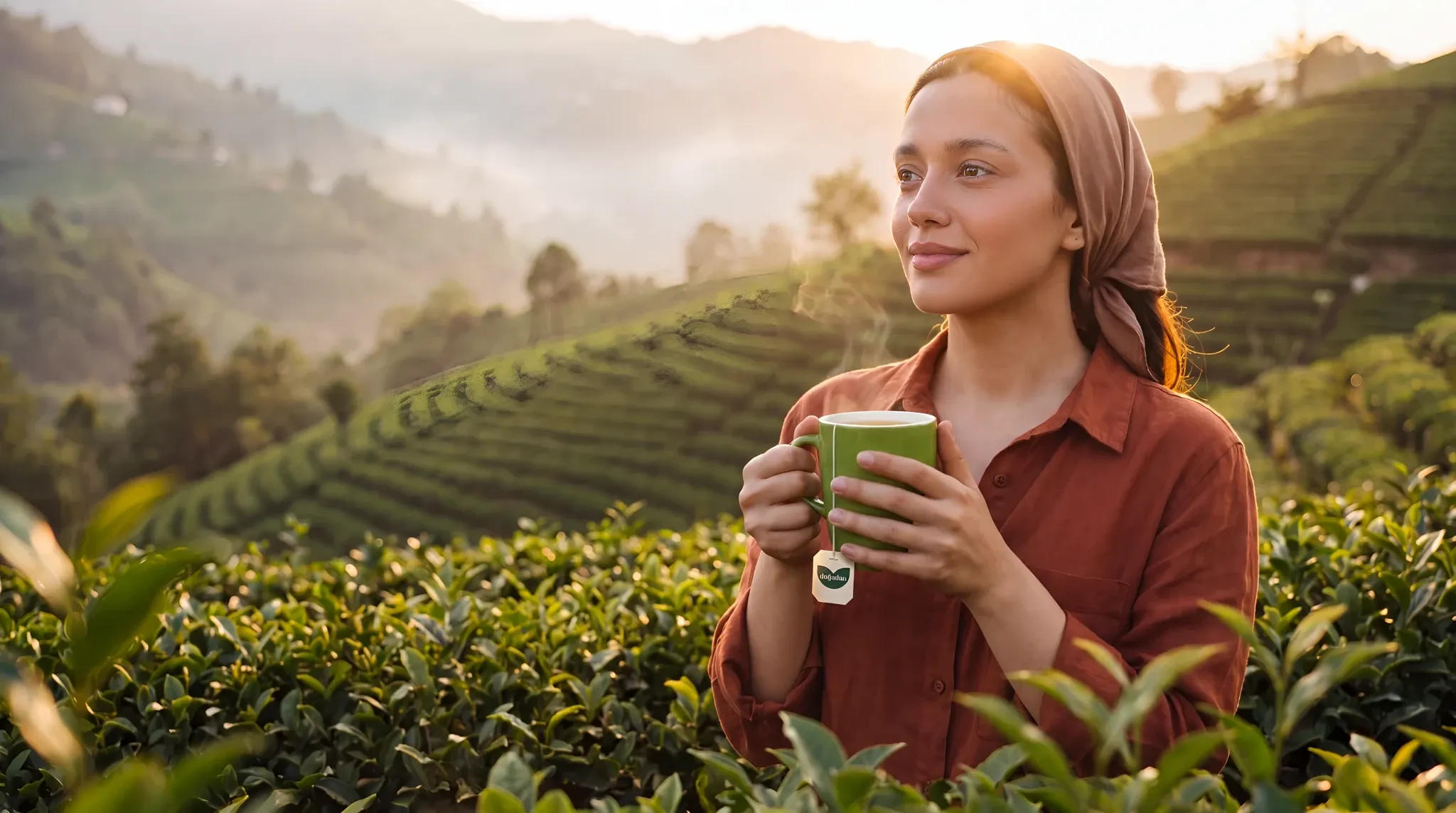
From Garden to Cup
It begins with a leaf, grows beautiful with care, and reaches your cup.
Your favourite tea's journey begins in the garden.
Every cup of Doğadan tea reaches you through a six-step journey of carefully chosen leaves, with naturalness and care at every step.
The tea plant
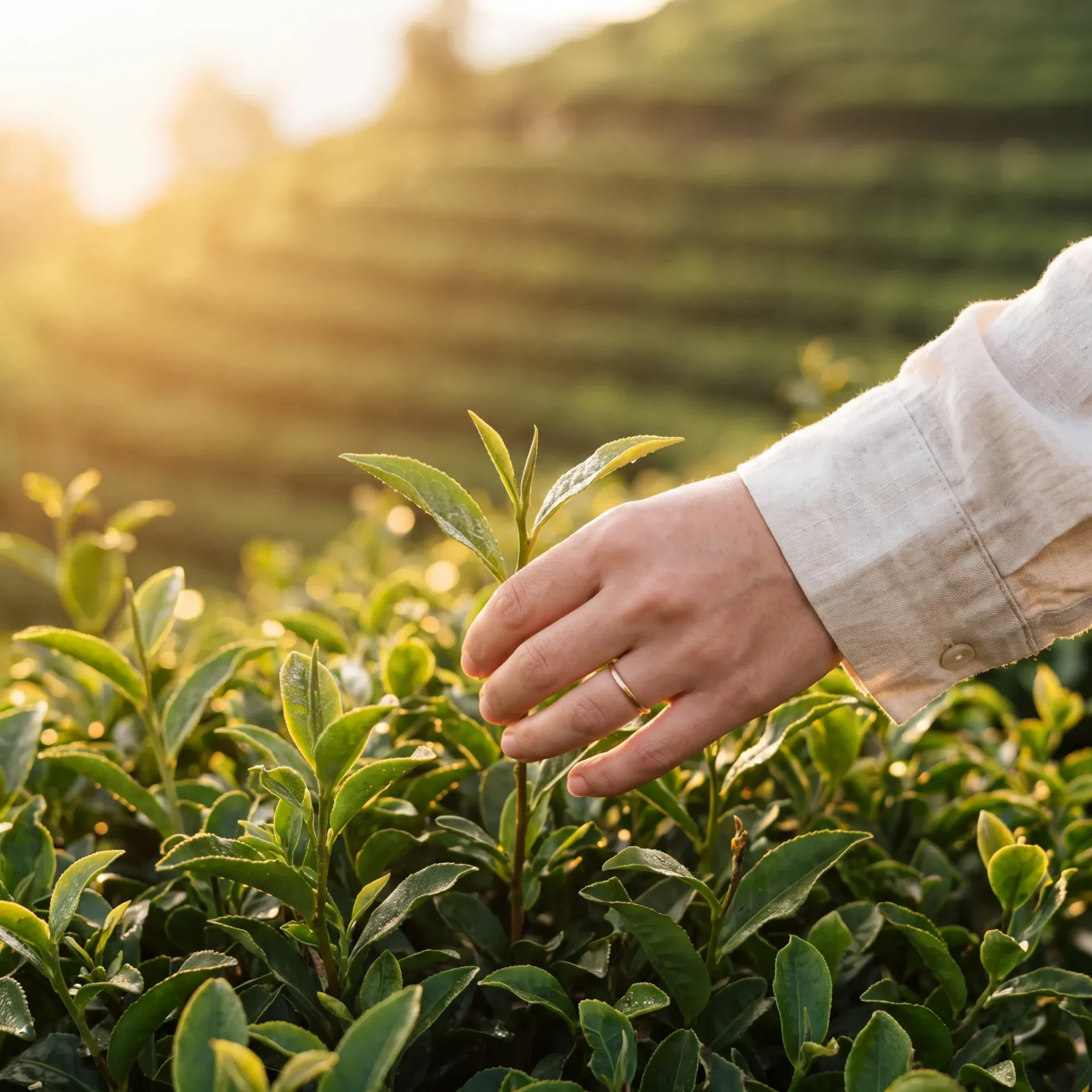
Camellia sinensis.
All true teas — white, green, oolong or black — come from the same plant, Camellia sinensis. What makes the difference is how the leaf is processed.
0–2,200 m
The altitude range where tea grows
70 years
The average lifespan of a tea plant
1–15 m
Its height in nature; kept short for harvest
−12°C
The lowest temperature it can withstand
Inside the leaf
One leaf, six components.
A tea leaf is far richer than it looks. Here are the six core components hidden inside a single leaf.
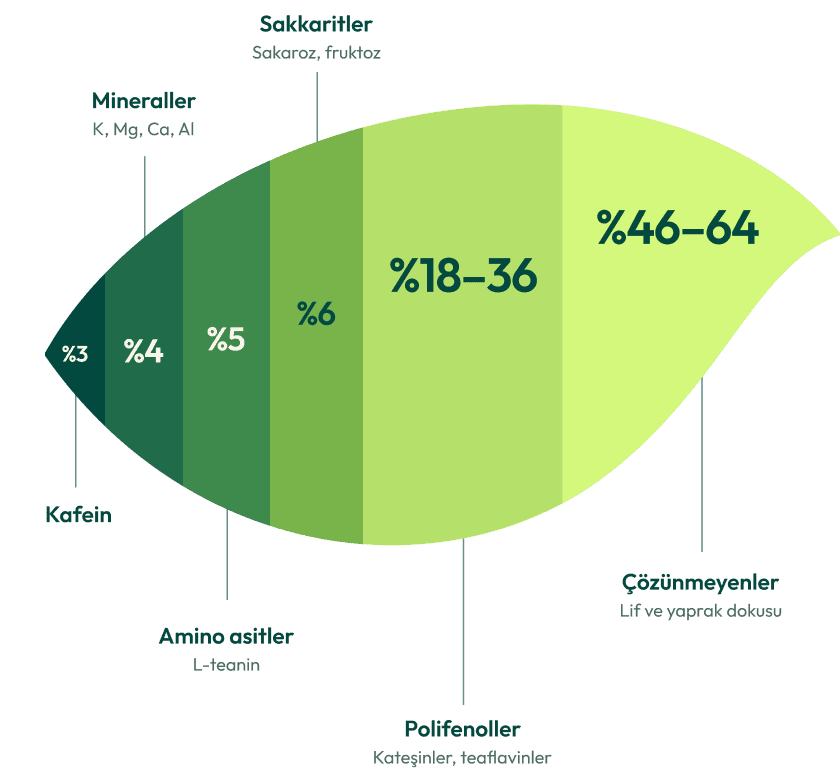
Polyphenols18–36%
Give tea its colour, briskness and body. Catechins, theaflavins and thearubigins belong to this group.
Amino acids5%
The source of tea's smooth, gently umami taste. The most abundant is L-theanine, about half of all amino acids.
Caffeine3%
The compound that gives tea its liveliness. Together with polyphenols, it balances the taste in the cup. It contributes to the slightly bitter notes found in tea.
Saccharides6%
Sucrose, fructose and polysaccharides. They leave a light sweetness in the brew.
Minerals4%
Elements such as potassium, magnesium, calcium and aluminium.
Insolubles46–64%
Fibre and leaf tissue. They stay in the teapot and never reach the cup.
Nature's contribution
Three things that make tea special.
What allows the same plant to yield such different flavours are the conditions the leaf grows in.
Terroir
Soil, altitude, and slope aspect shape the character of the tea leaf.
Climate
Rain and sunshine shape its aroma.
Care
Every leaf is carefully picked.
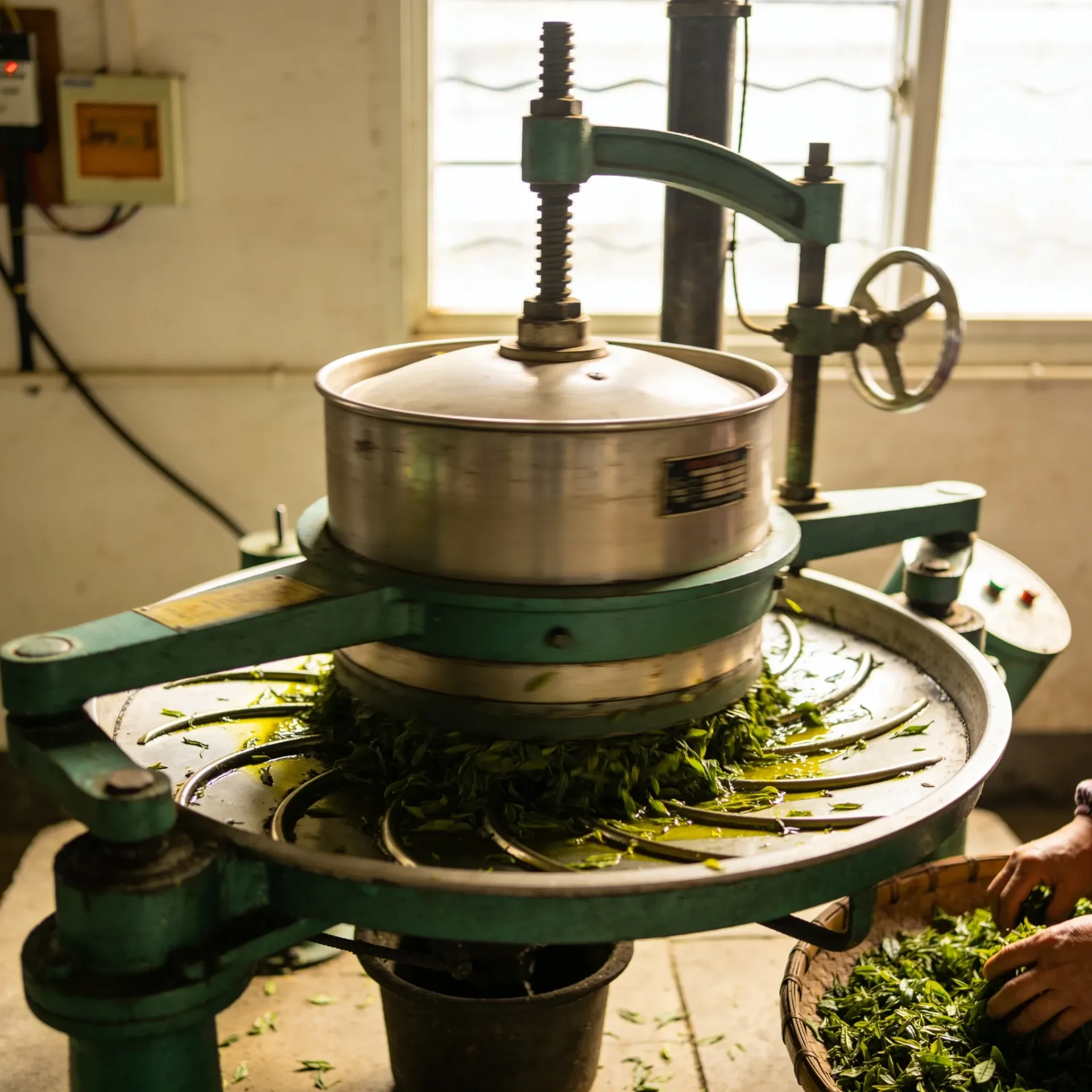
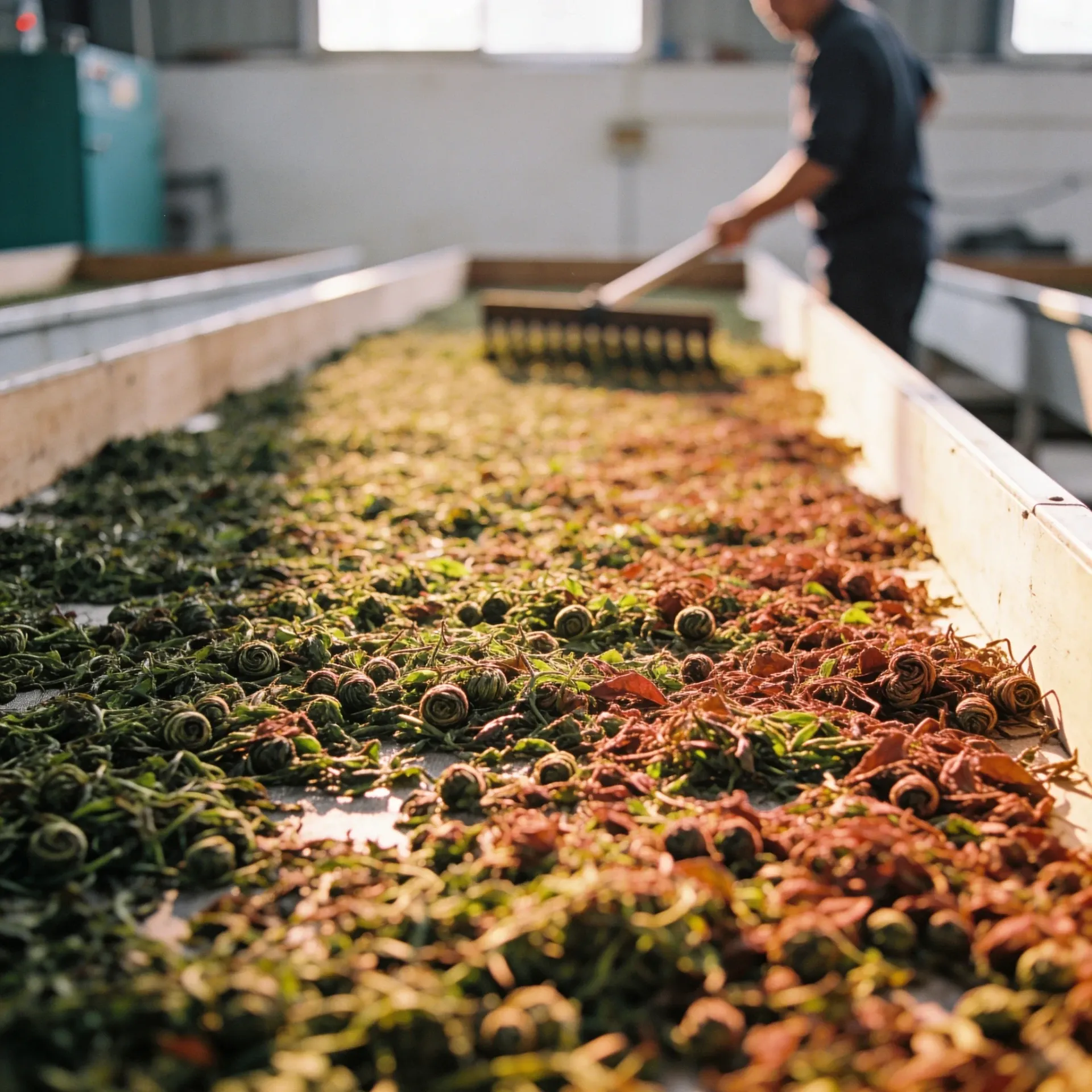
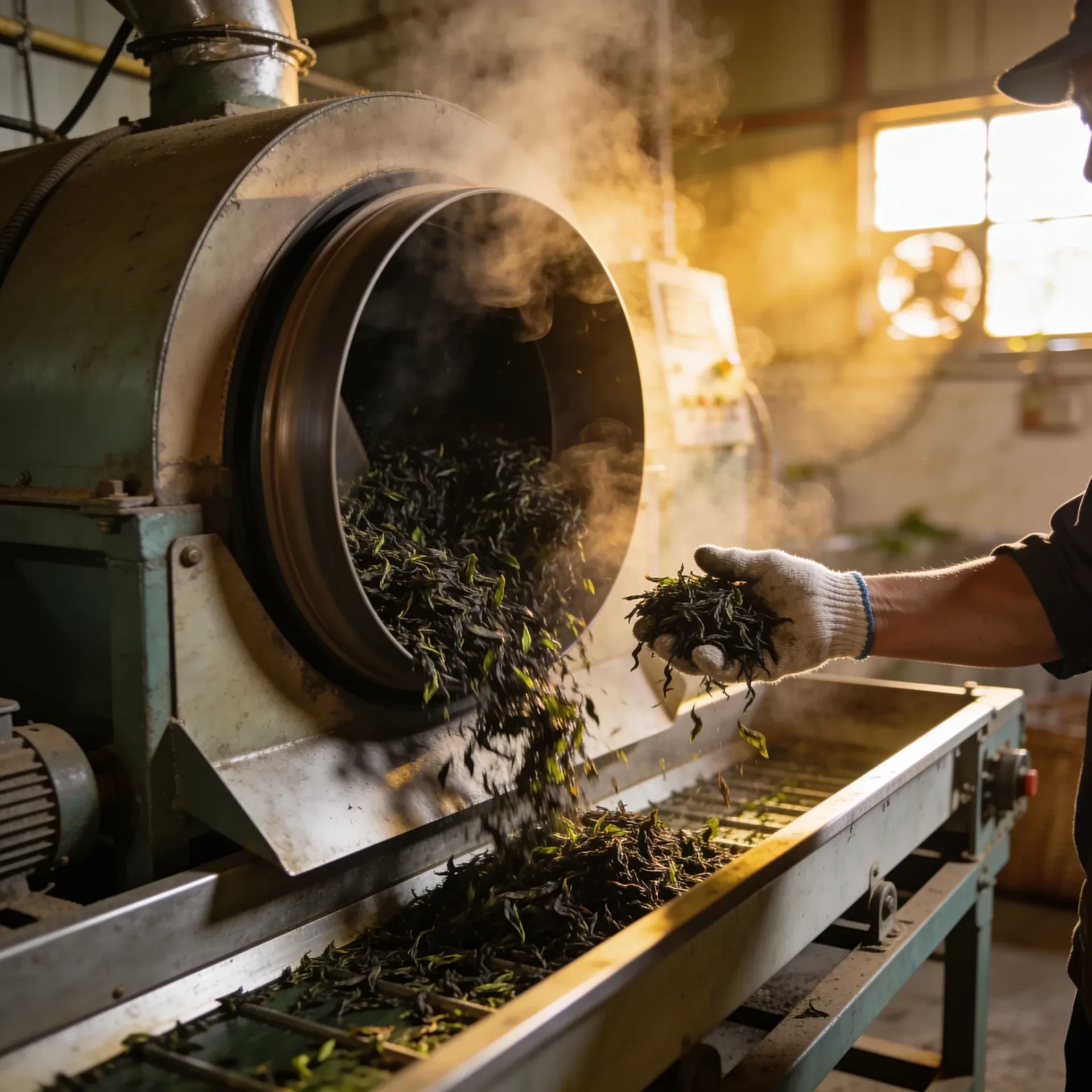
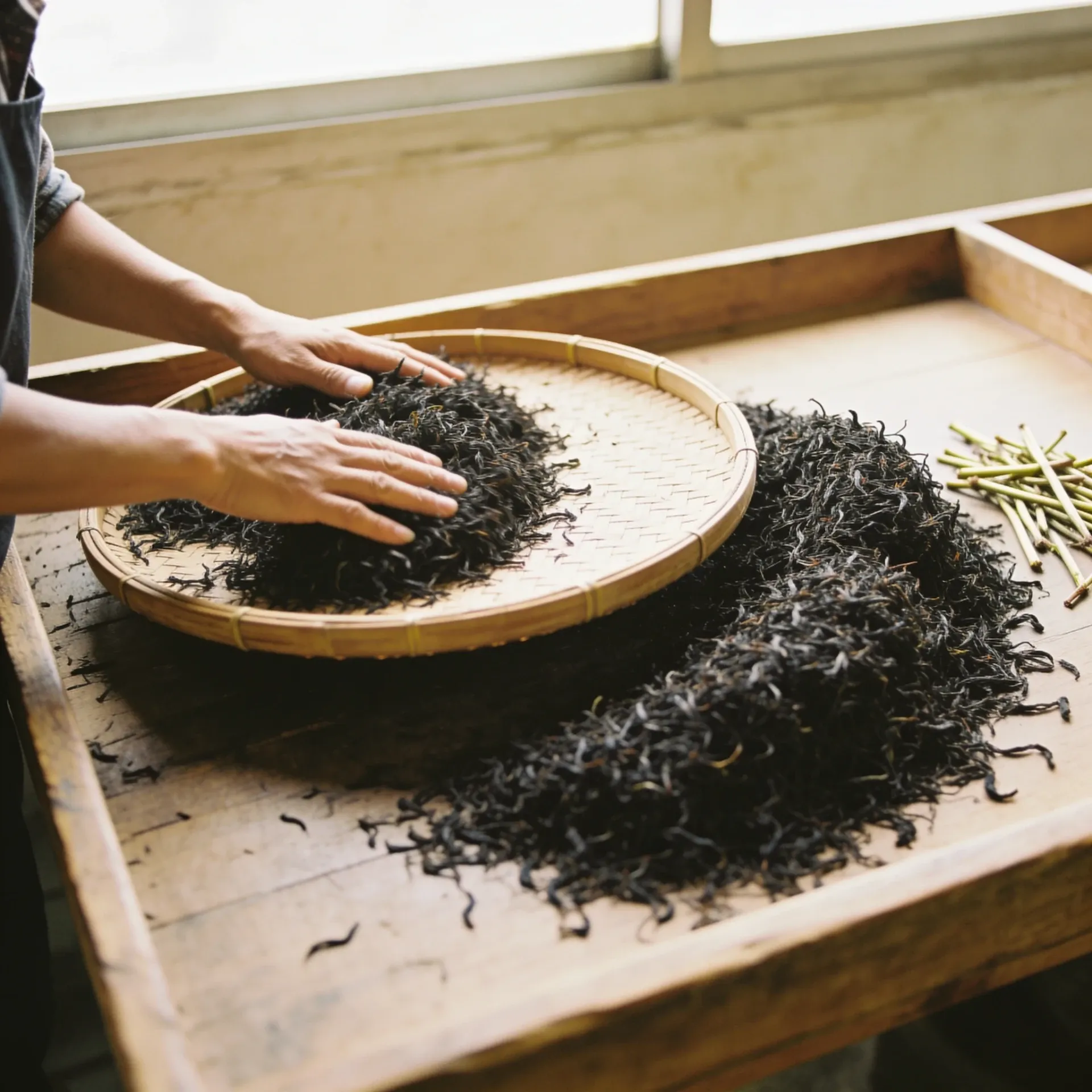
The production journey
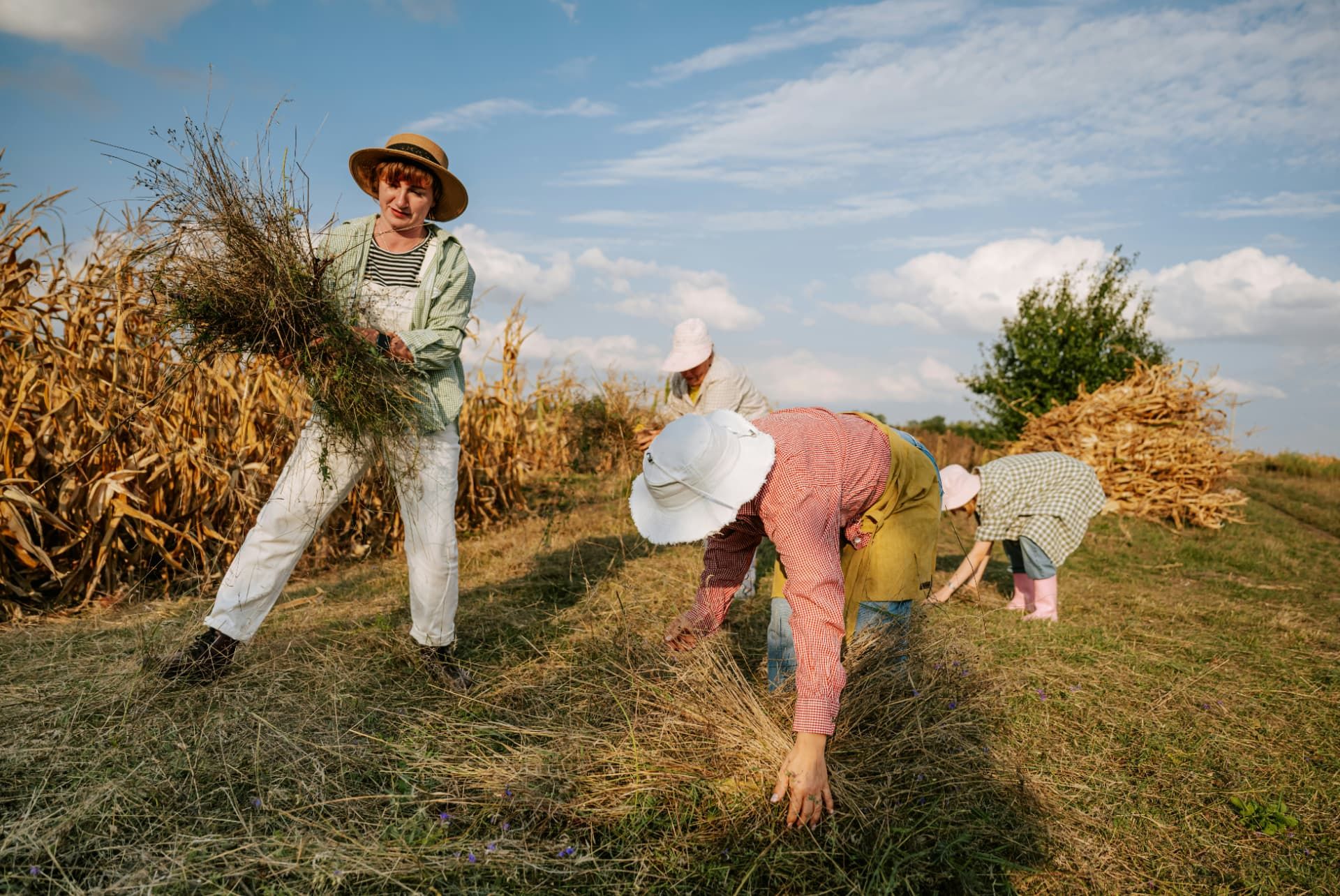
Six steps after harvest.
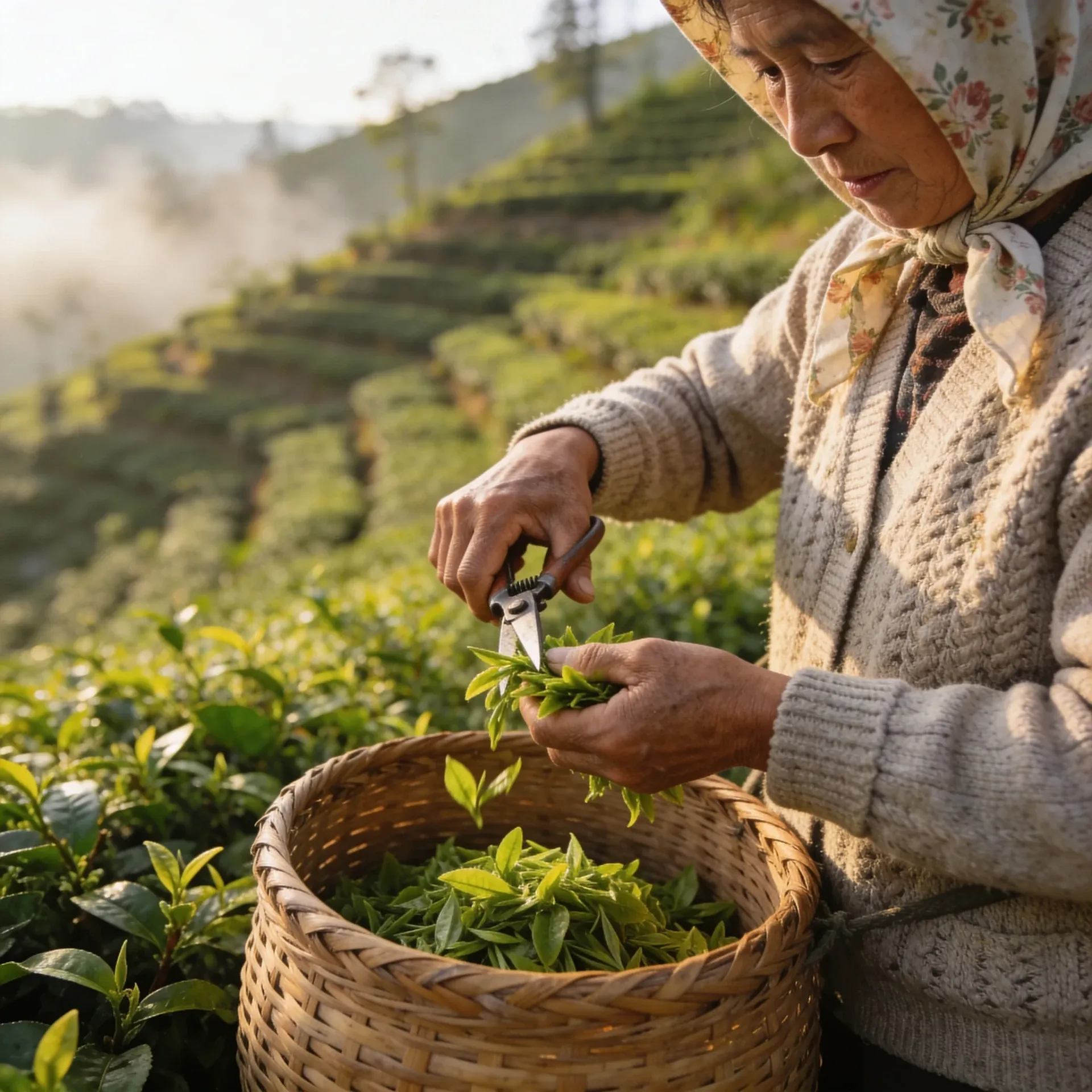
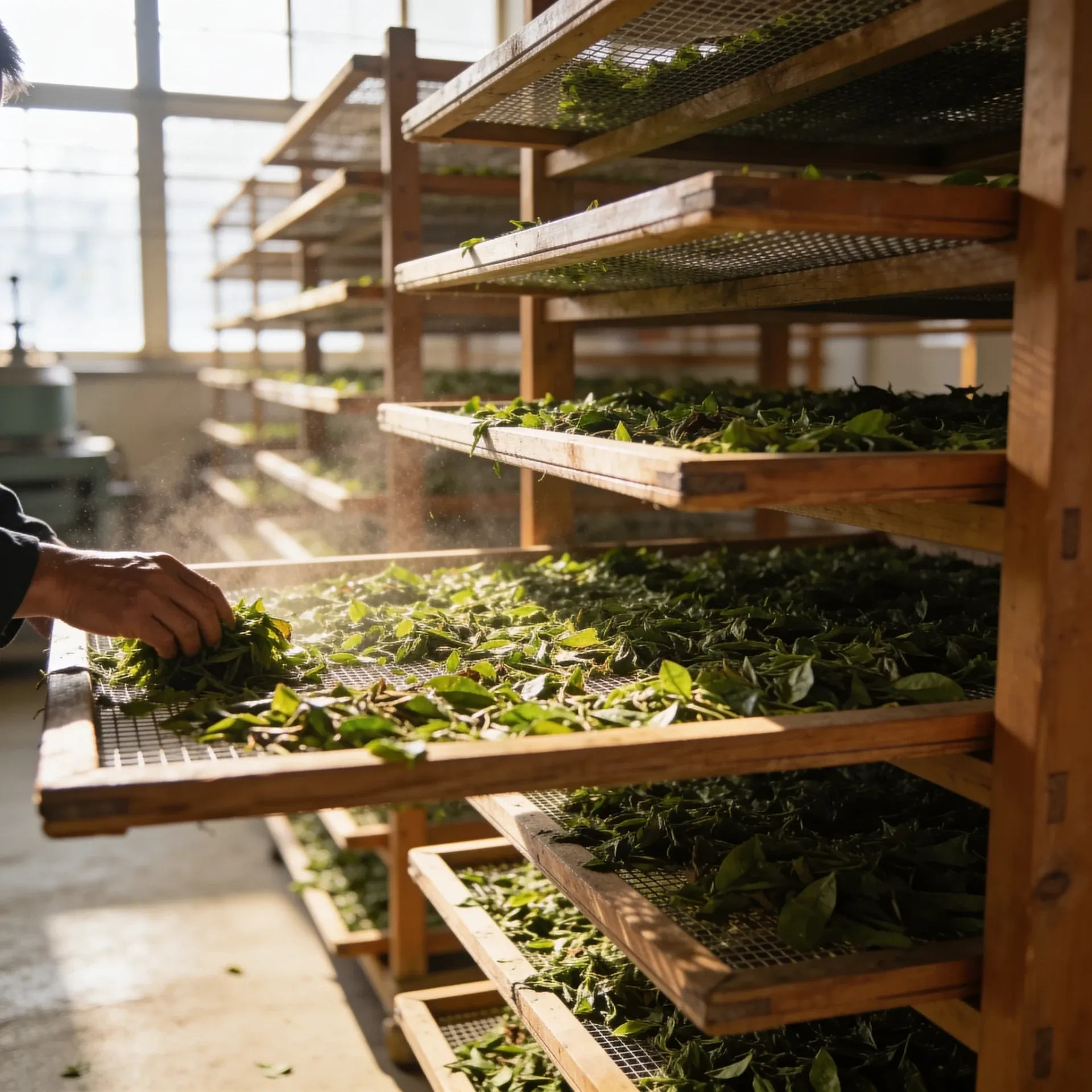
Once fresh leaves are picked in the garden, they pass through six careful steps before becoming tea.
The processing difference
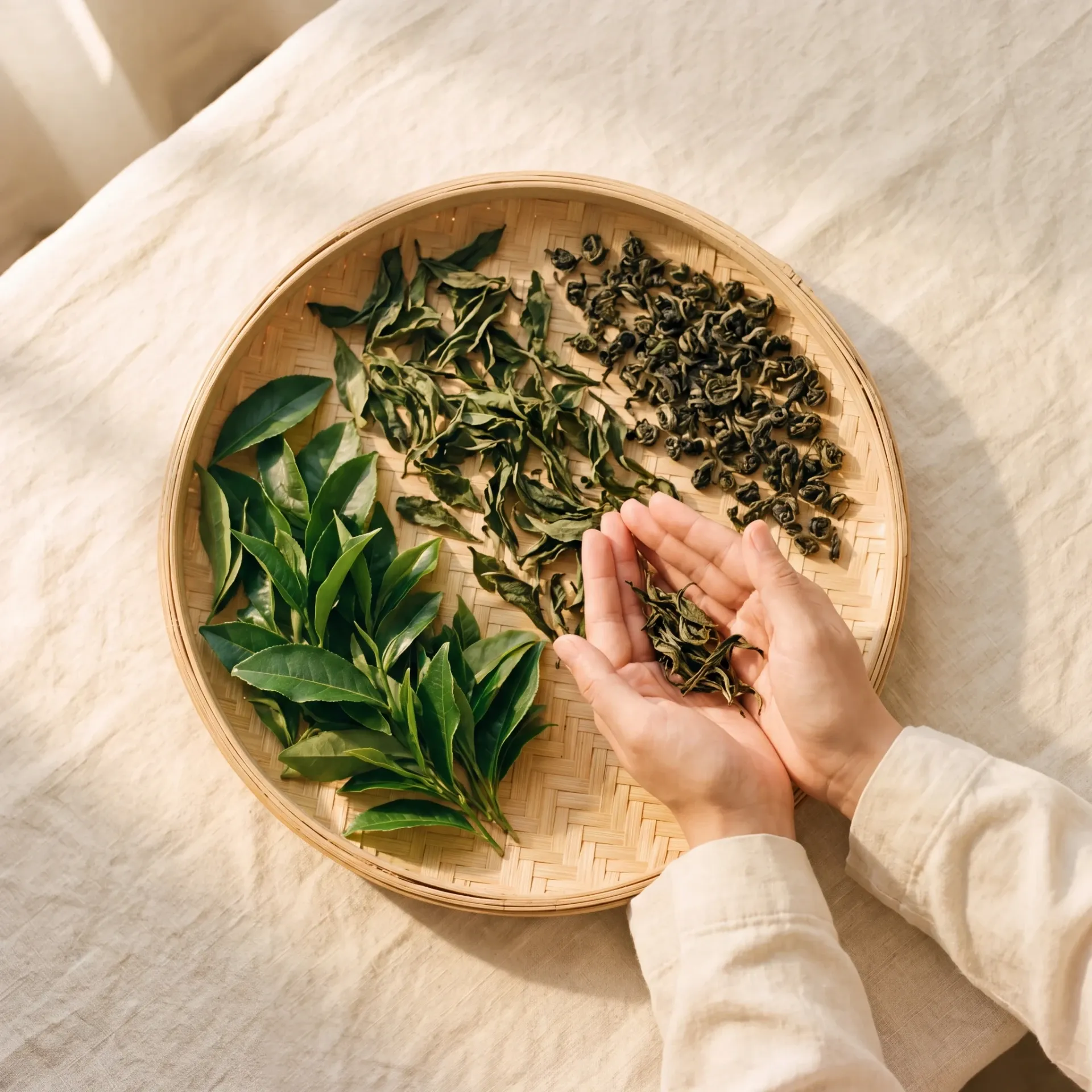
What makes the difference is how the leaf is processed.
Six different teas from the same leaf: The difference lies in the processing steps, from withering to oxidation.
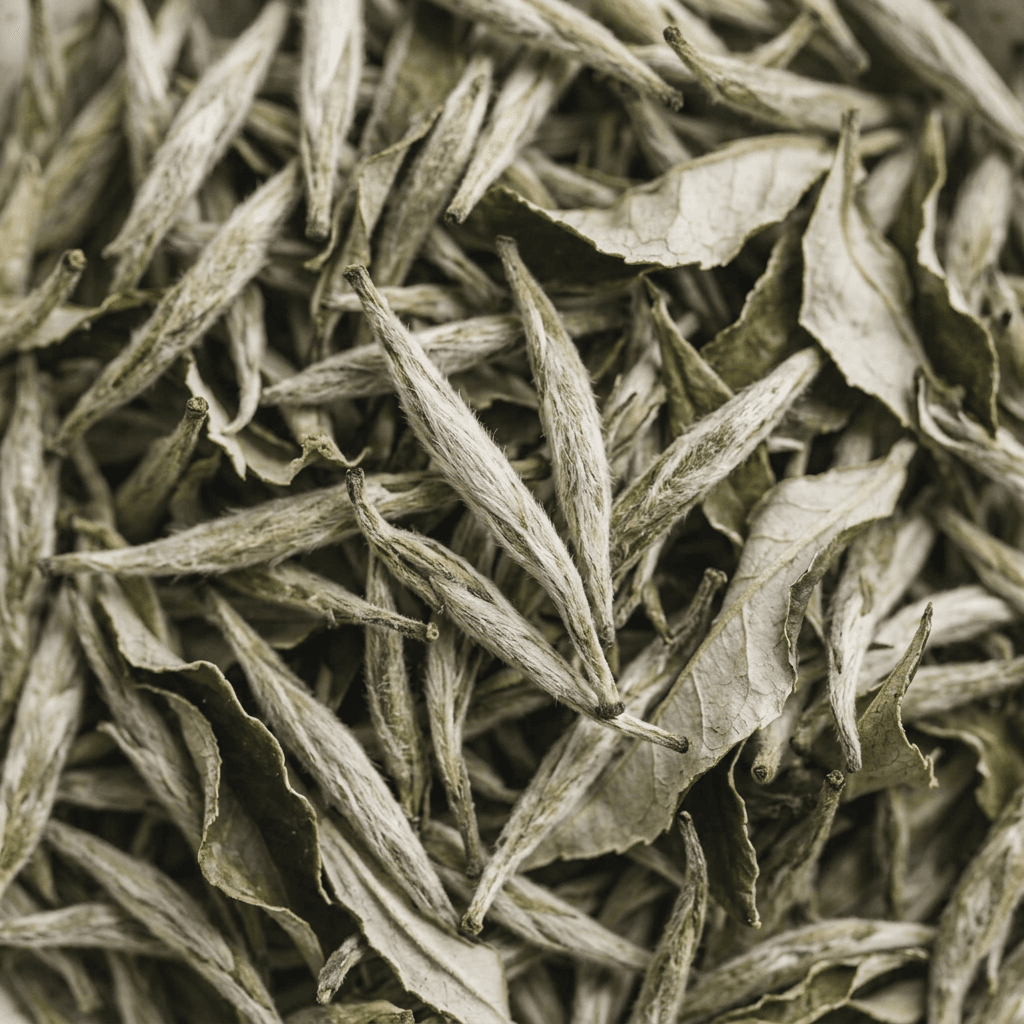
White
The least processed; from young buds.
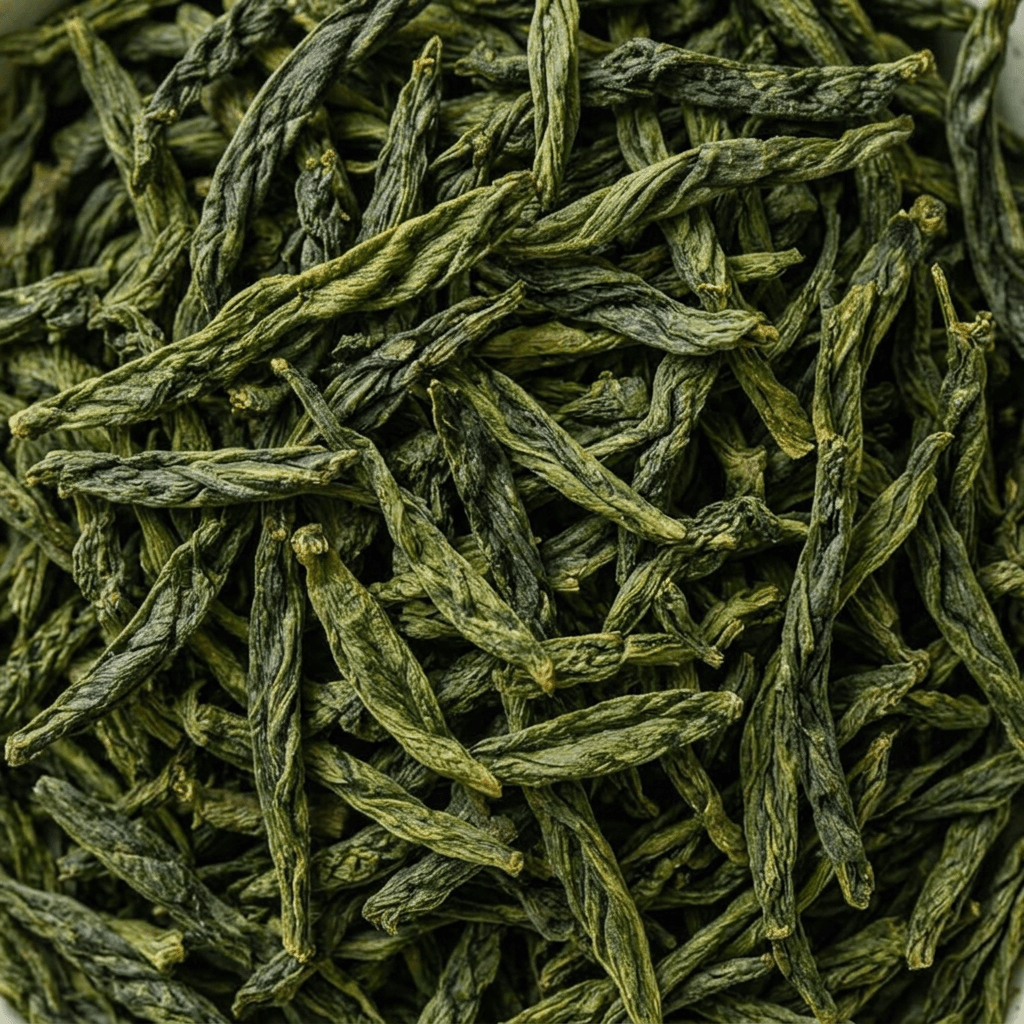
Green
Unoxidized; fresh, green, grassy / roasted notes.
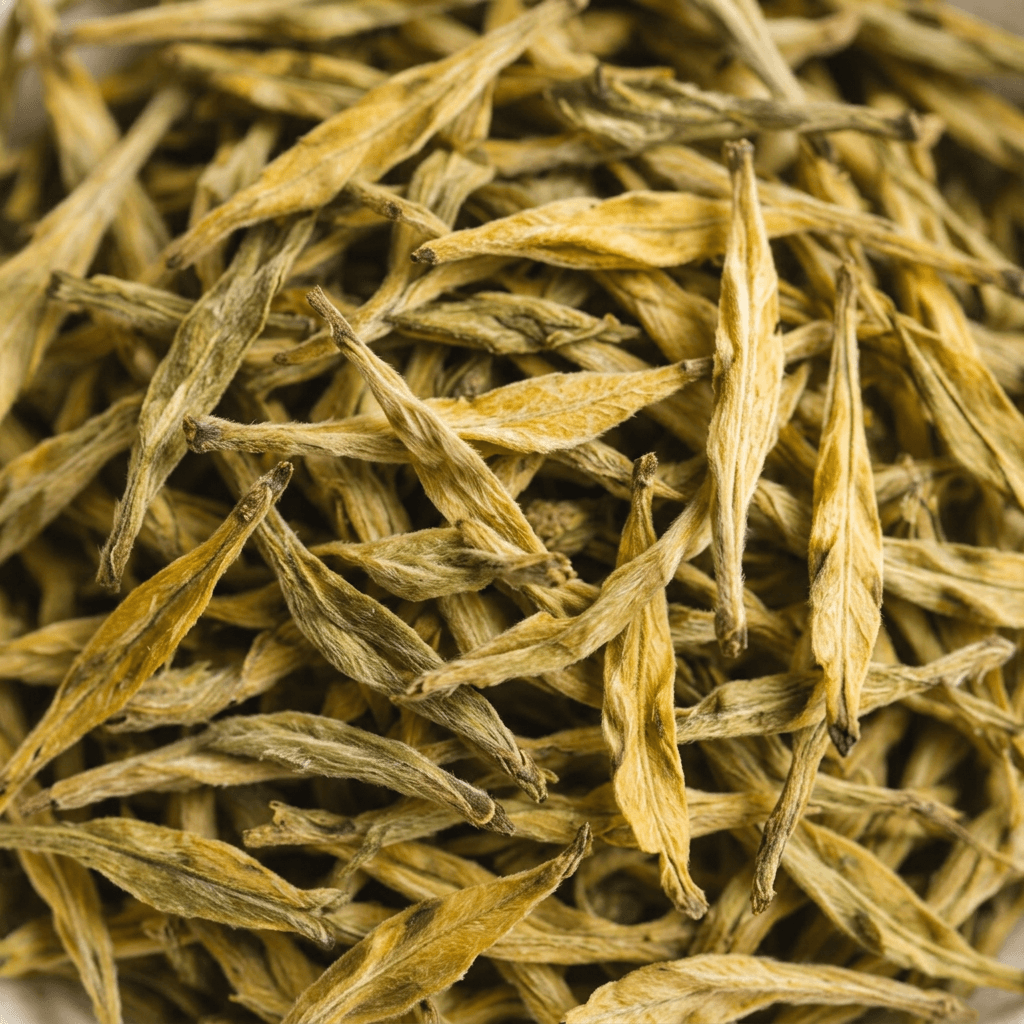
Yellow
Gently withered, a rare tea.
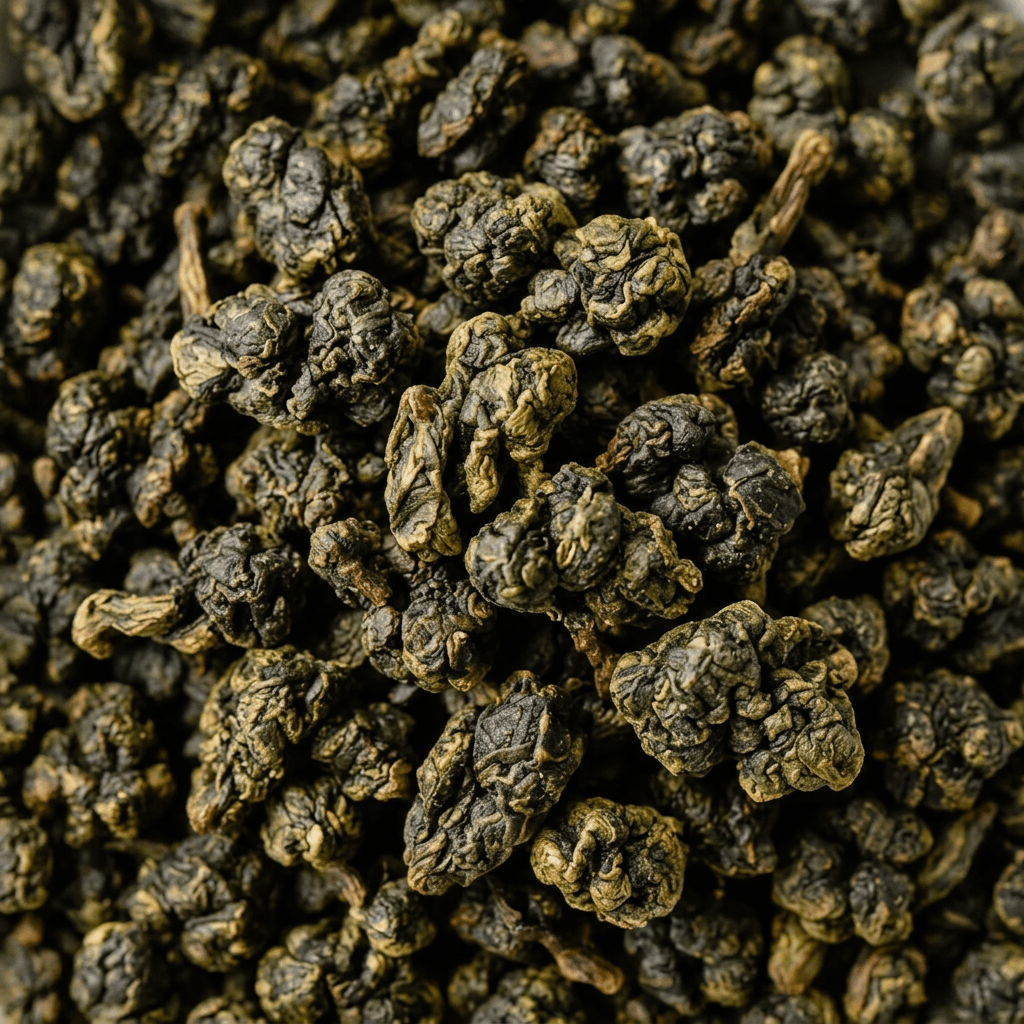
Oolong
Semi-oxidised; between green and black.
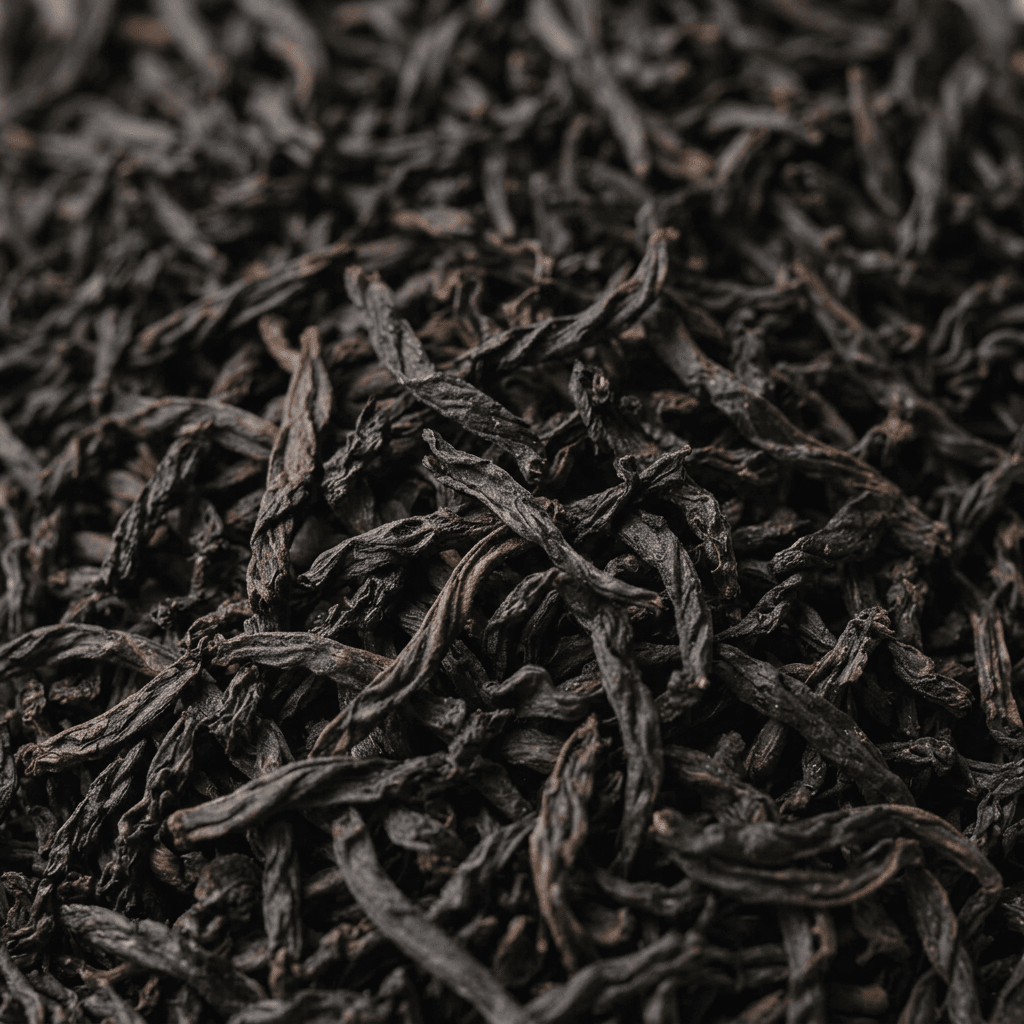
Black
Fully oxidised; bold and full-bodied.
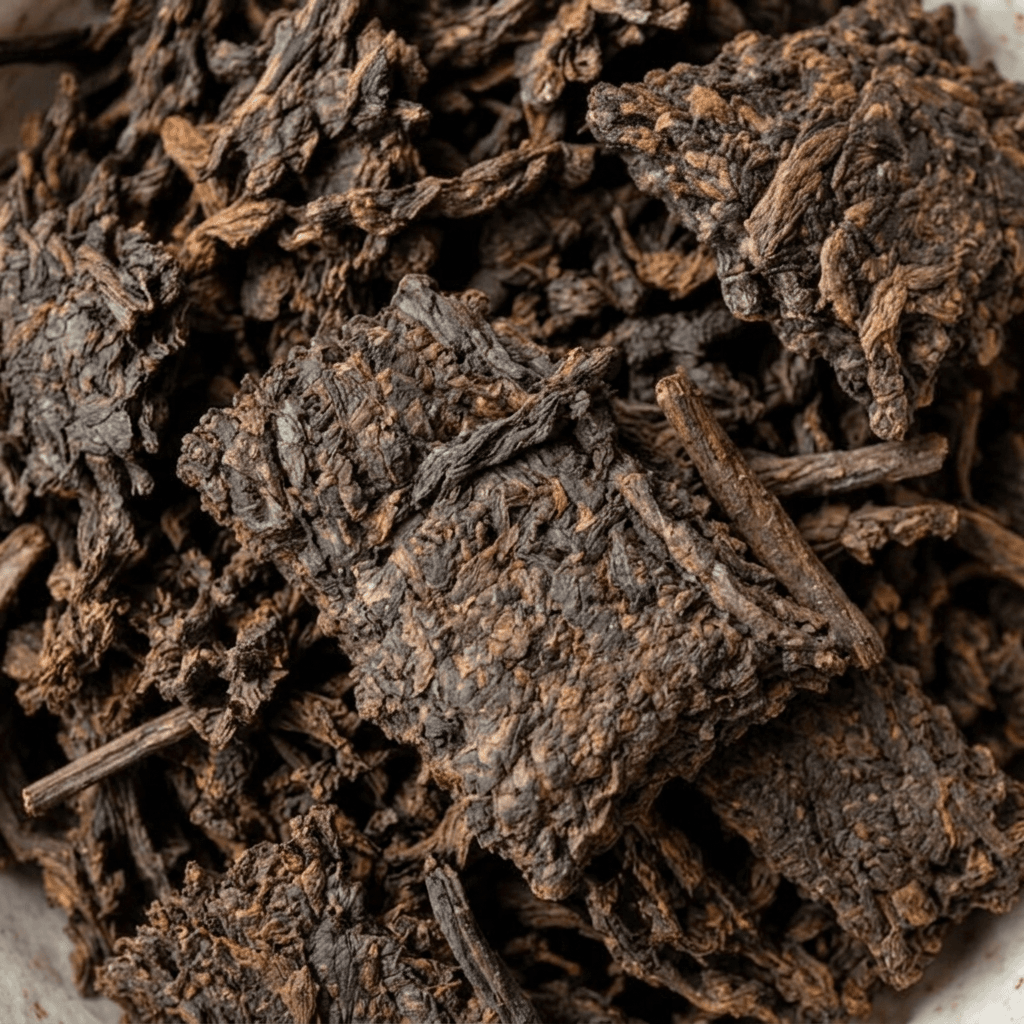
Pu-erh
Fermented and aged.
| Tea | Withering | Rolling | Oxidation | Drying | Fermentation |
|---|---|---|---|---|---|
| White | — | — | — | ||
| Green | — | — | |||
| Yellow | — | — | |||
| Oolong | — | ||||
| Black | — | ||||
| Pu-erh |
Behind every cup of Doğadan tea lies a care you may never see.
Every step from garden to cup is backed by meticulous checks.
200+
Sensory taste evaluations every week
500+
Microbiological analyses every year
100%
Product traceability
100%
Green energy usage
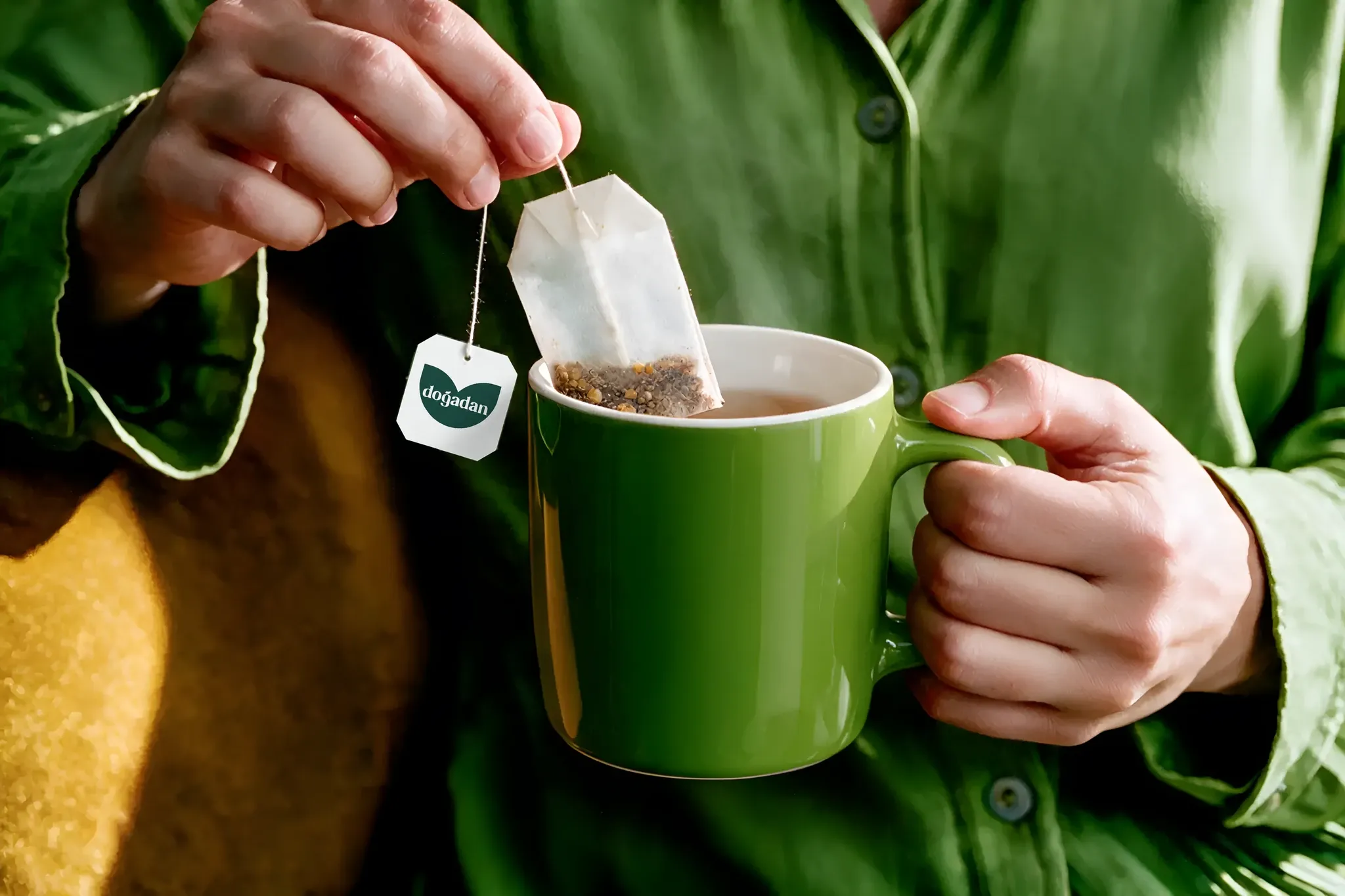
Your turn
Now for the most delicious part.
We've followed tea's story from the gardens to your cup. Now it's time to bring out the best in your favourite tea.
Explore Teas